

Education empowers us to build vibrant communities
The Northeast Regional Training Institute’s educational programs help children, youth, and adults to acquire skills, develop habits, and learn to be active participants in building vibrant communities. These efforts stem from the beliefs, espoused in the Writings of the Bahá'í Faith, that all of humanity is one, that every person can be a protagonist in creating a better world, and that the education of young people, particularly moral and spiritual education, is essential for developing our capacities to be of service to our communities.
Below are some examples of how participants in the training institute contribute to the spiritual and material progress of their communities. There are over 500 groups — children’s classes, junior youth groups, study circles, and more — with over 2,000 participants in hundreds of localities in the region. Join us!
“Regard man as a mine rich in gems of inestimable value. Education can, alone, cause it to reveal its treasures and enable mankind to benefit therefrom.”
— Bahá’u’lláh
Children’s Classes
“Children are the most precious treasure a community can possess, for in them are the promise and guarantee of the future.”
— The Universal House of Justice
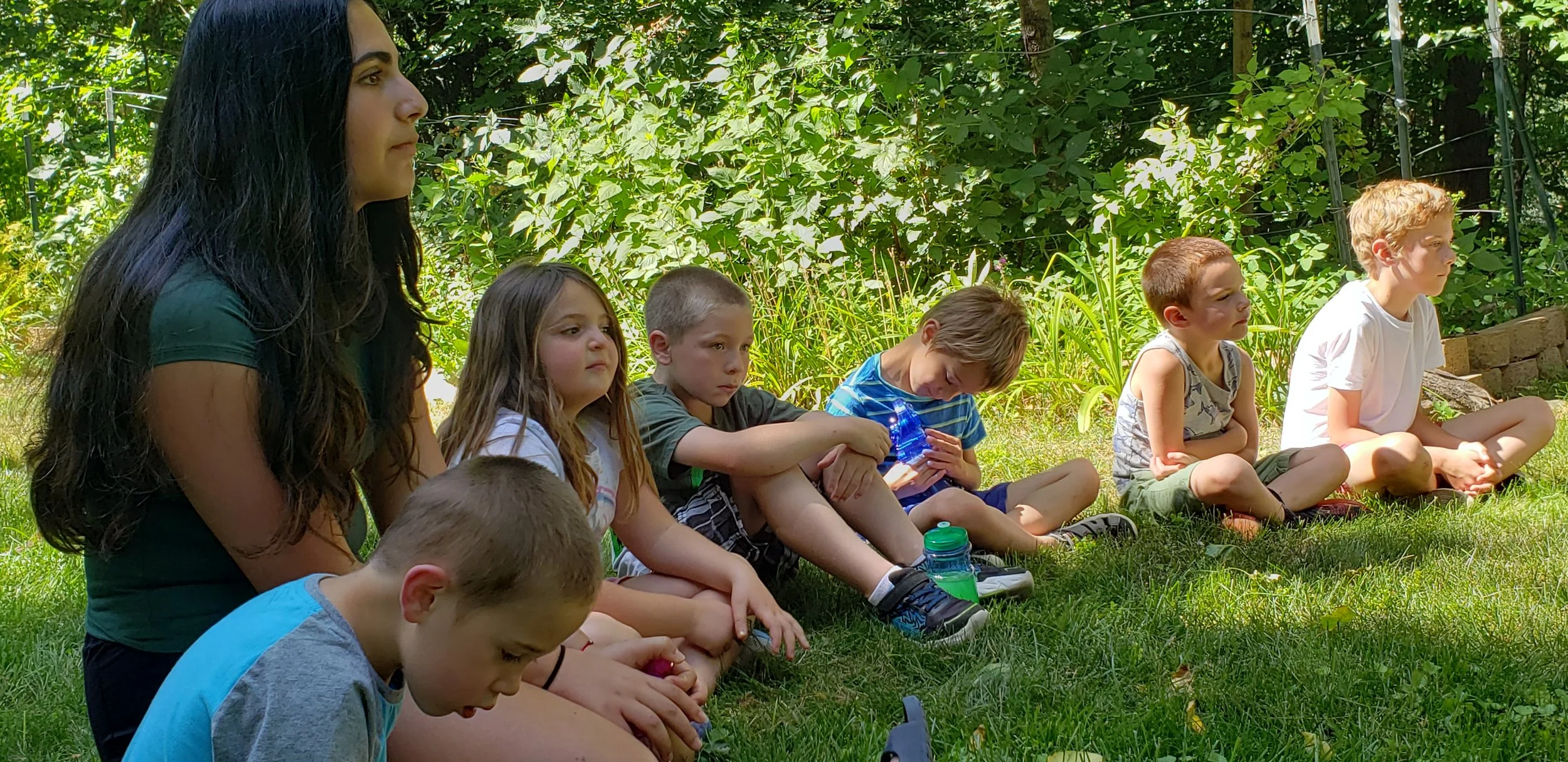
The spiritual and moral education of children is a vital issue for all of society. Although parents and family have the greatest responsibility for children, children are also the trust of the community. Their well-being and moral development is the shared concern of all of us.
Children’s classes offered by the training institute are open to all children in a neighborhood. The classes promote virtues and capabilities that help children grow up free from prejudice, recognizing the unity of humanity and appreciating everyone’s innate dignity and nobility.
Bahá'u'lláh, the Founder of the Bahá'í Faith, calls us to consider one another as “the fruits of one tree, and the leaves of one branch.”

Junior Youth Groups
“Man’s life has its springtime and is endowed with marvellous glory. The period of youth is characterized by strength and vigour and stands out as the choicest time in human life.”
— ‘Abdu’l‑Bahá
Between the ages of twelve and fifteen, young people begin to leave childhood behind and develop and consolidate fundamental concepts about their identity and the role they will play in society. Not yet in the fullness of youth, individuals in this age range are sometimes referred to as junior youth.
The Junior Youth Spiritual Empowerment Program is founded on the idea that, to help these young people achieve their full potential, education must address both their intellectual and spiritual development. Junior youth groups help young people develop their spiritual qualities, intellectual capacities, and potential to serve society. In groups, they are accompanied and motivated by an older youth mentor, referred to as an animator, to serve their neighbors, families, and friends, and to contribute to the well-being of the community.
Junior youth groups are usually weekly sessions that incorporate workbooks that develop literacy and powers of expression through stories and activities, as well as community service projects, art, and friendship-building games and activities.
Study Circles
“The betterment of the world can be accomplished through pure and goodly deeds, through commendable and seemly conduct.” — Bahá’u’lláh
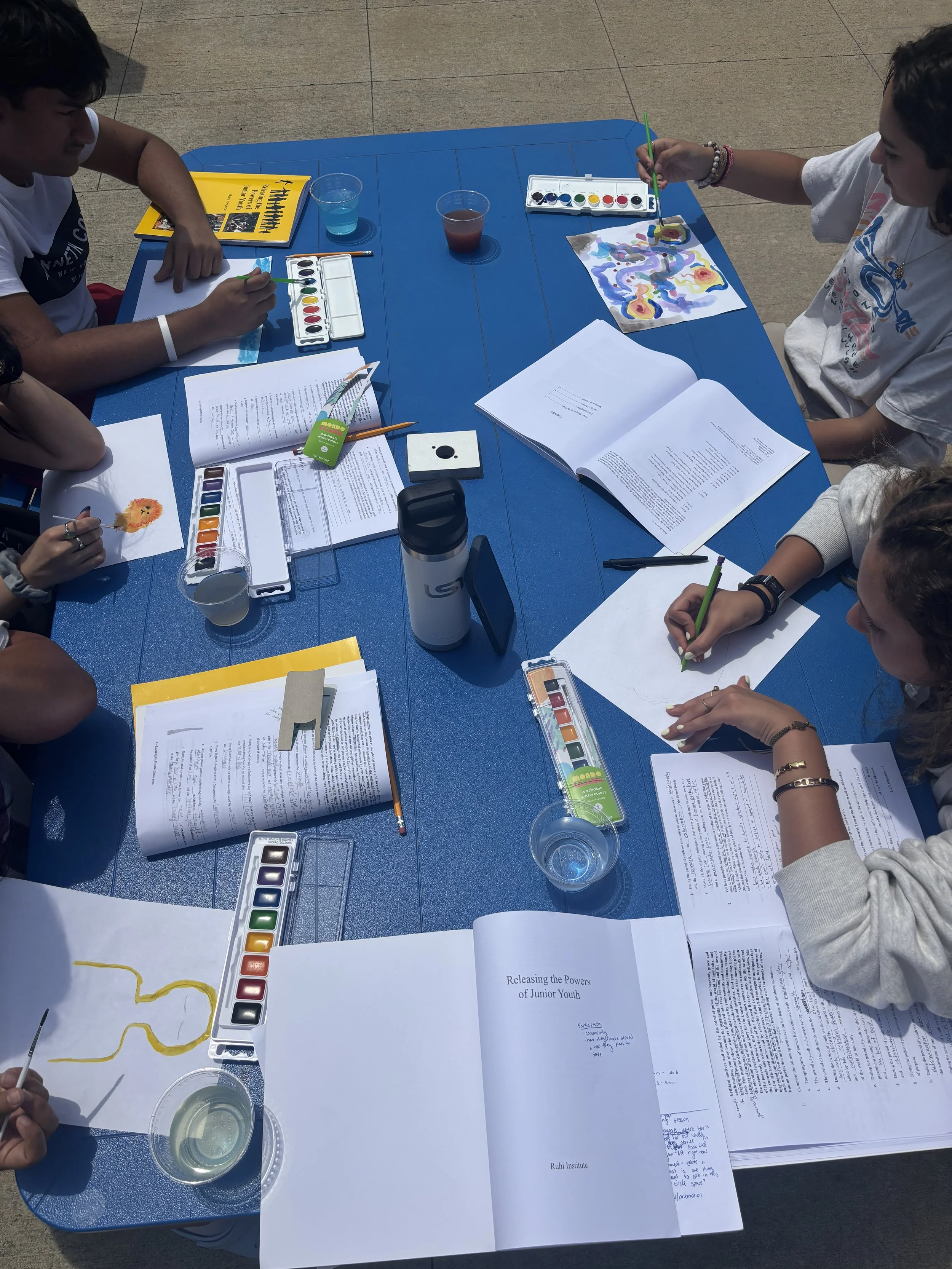
In study circles, groups of friends meet to study passages from the Bahá'í Writings and perform acts of service. Through this study of the sacred Word and action, members of study circles develop capacities that allow them to contribute to the material and spiritual well-being of their community.
Many study circle participants go on to themselves become teachers of children’s classes, animators of junior youth groups, or tutors of study circles as part of the institute process. Others host devotional gatherings where friends and neighbors come together to pray and have meaningful conversations. In time, groups of friends might undertake projects of social and economic development in response to the unique needs of their neighborhood or social circles.